
Showering: hidden risks to health and nature
Showering is a daily ritual for most people – a moment of refreshment and relaxation. But have you ever thought about how the products you use affect your health and the environment? Many popular shampoos, shower gels and soaps contain ingredients with unexpected consequences – from drying out your skin and hair to harming ecosystems. In this article, we look at the surprising effects of some common ingredients and give tips on how to choose healthier and more environmentally friendly solutions.
Hidden dangers in the
bathroom
We focus on the immediate benefits – cleanliness, fragrance, easy rinsing. But beauty sometimes comes with a “toxic” price: many products include chemicals that can harm the skin, hormonal balance and the environment in the long run.
Aggressive chemicals
| Ingredient | Where is it found? | Possible risks |
|---|---|---|
| Sulphates (SLS, SLES) | Shampoos, shower gels | They strip away natural oils → dry, irritated skin and hair; they damage the protective barrier. |
| Parabens | Almost all categories of cosmetics | They mimic hormones → potentially disrupt the endocrine system, are associated with reproductive and oncological risks. |
| Artificial |
| flavors | Soaps, lotions, shampoos | They often contain undisclosed chemicals → allergies, contact dermatitis, respiratory problems. |
Effects on skin and hair
- Dryness and irritation:
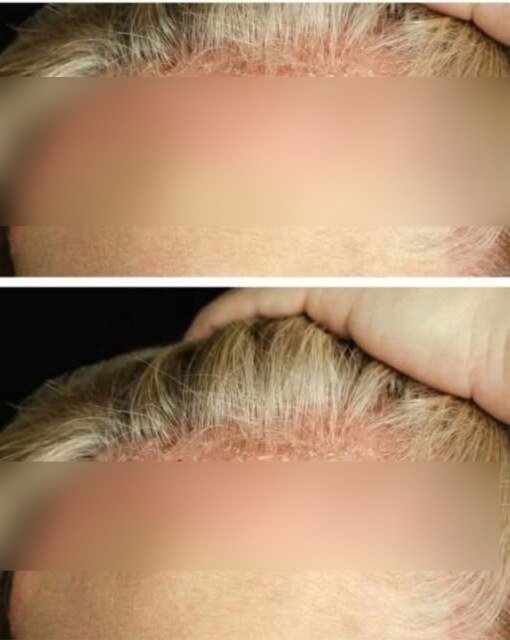
Sulfates wash away not only dirt but also the lipid layer. The skin becomes flaky, the hair becomes pale and brittle. - Damaged hair
Colored or treated hair fades faster; split ends and loss of shine. - Sensitivity and allergies
Artificial fragrances and preservatives exacerbate eczema, psoriasis, cause redness and itching.
Environmental consequences
- Non-biodegradable ingredients
Microparticles (e.g. microplastic peeling granules) pass through treatment plants, accumulate in water bodies, and
- are ingested by fish.
- Phosphates and other chemicals
enter rivers and seas, stimulate algae blooms, and deplete oxygen. - Plastic packaging
is a huge part of landfill waste. Most single-use bottles are not recycled.
Continue reading by clicking the ( NEXT 》 ) button below!
Alternative più sane ed ecocompatibili
| Fare un passo | Cosa fare | Perché è utile? |
|---|---|---|
| Scegli formule naturali | Cerca un’etichetta che riporti la dicitura “senza solfati/parabeni/profumo”; ingredienti come aloe vera, olio di cocco, burro di karité. | Detergono delicatamente, preservano gli oli naturali e riducono al minimo le allergie. |
| shampoo |

| senza solfati | Utilizzano tensioattivi più delicati (ad esempio il decil glucoside). | Adatto a cuoio capelluto sensibile e capelli colorati. | |
| Prodotti senza parabeni | Conservanti naturali (ad esempio estratto di rosmarino, vitamina E). | Nessun potenziale squilibrio ormonale. | |
| Senza profumo o con oli essenziali | “Senza profumo” o “con profumazione naturale”. | Minor rischio di reazioni cutanee. | |
| Ridurre al minimo l’uso della plastica | Saponette al posto del bagnoschiuma; stazioni di ricarica; imballaggi realizzati in cartone o vetro riciclabili. | Riduce l’impatto ambientale. | |
| Scegli marchi sostenibili | Approvvigionamento etico, ingredienti biodegradabili, neutralità carbonica. | Incoraggia l’intero settore ad adottare
ConclusioneLe sostanze chimiche e gli imballaggi non sostenibili hanno conseguenze reali e tangibili: dalla pelle secca e i capelli danneggiati al peso sugli ecosistemi. Fortunatamente, esistono delle alternative: shampoo senza tensioattivi, prodotti senza parabeni e profumi, imballaggi sostenibili . Con piccoli passi – passando a formule naturali e riducendo la plastica – possiamo proteggere la nostra salute e contribuire a un pianeta più pulito.
Fonti
|
